How to Find the Ideal General Contractor for Your Home Renovation Project
Selecting the best general contractor is crucial for a productive home renovation. Property owners must assess a number of factors, including experience, qualifications, and interpersonal skills. A carefully considered decision can eliminate costly mistakes and ensure a smoother process. However, maneuvering through the selection process can be overwhelming. What key aspects should one evaluate? What questions are important during initial consultations? Recognizing these elements can considerably impact the renovation experience.
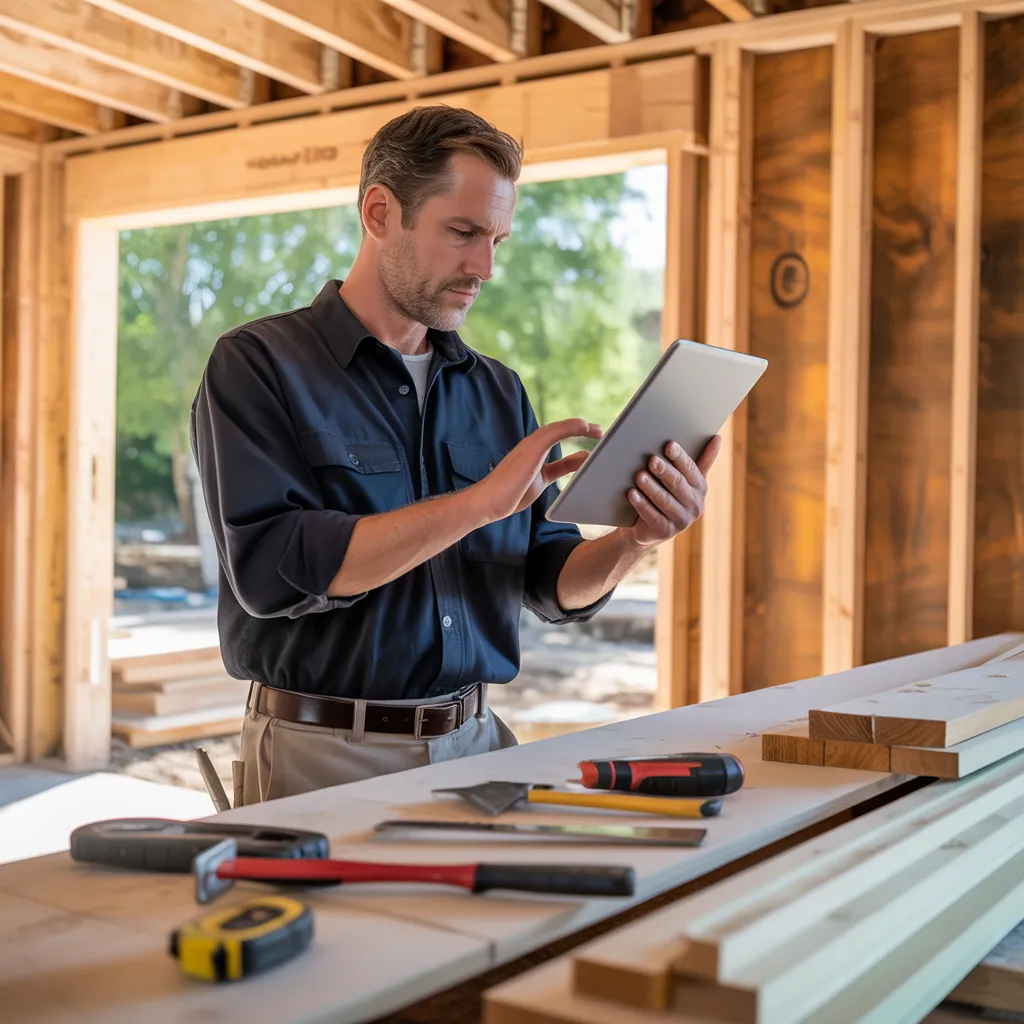
What Experience Do You Need to Look For in a Contractor?
When selecting a general contractor for home renovation, it is crucial to consider their industry experience. A contractor's background can heavily affect the overall quality of the renovation project. To begin, homeowners should seek contractors with a proven track record in like projects, confirming expertise in common challenges and proven solutions.
Additionally, years of experience can indicate a contractor's ability to manage subcontractors, timelines, and budgets in an effective manner. Requesting to review their portfolio is also advantageous, featuring previous work that reflects the homeowner's desired outcome.
Furthermore, contractors who have experience with local building codes and regulations can help avoid possible legal complications. Finally, a contractor's capacity to supply references from previous clients can give perspective on their reliability and professionalism. By closely examining these criteria, homeowners can arrive at a more explore here informed decision when hiring a general contractor for their remodeling project.
How to Check a Contractor's Credentials and References
How do homeowners confirm they are working with a qualified contractor? Verifying a contractor's credentials and references is essential. The first step for homeowners is to check for appropriate licensing and insurance, making sure the contractor satisfies local requirements. This can typically be done through state or local licensing boards. Furthermore, verifying that the contractor carries liability insurance and worker's compensation coverage shields homeowners from possible liabilities.
Additionally, homeowners should request references from past clients. A reputable contractor should provide a list of past projects, along with contact information. Speaking directly to previous clients can offer valuable insights about the contractor's work ethic, interpersonal skills, and timeliness.
Online reviews and ratings on sites such as Yelp or Angie's List can provide additional context. By conducting thorough research and gathering multiple perspectives, homeowners can reach an informed decision, enhancing the probability of a successful renovation project.
What Questions Should You Ask During the Initial Consultation?
After verifying a contractor's credentials and references, homeowners should plan for the preliminary meeting by formulating specific questions. Key inquiries should center around the contractor's expertise with related projects, including timelines and potential challenges. Homeowners should furthermore question the contractor's methods for managing projects and maintaining communication, guaranteeing they will be provided with frequent updates over the course of the renovation.
Furthermore, reviewing the contractor's favored subcontractors can shed light on the standard of work that can be expected. It is important to ask about the necessary permits and the contractor's process for managing inspections. Homeowners are advised to request clarity on the payment timeline and any initial costs required. Understanding the contractor's warranty policies and how they address potential issues post-completion is vital as well. By asking these targeted questions, homeowners can gauge whether the contractor aligns with their vision and needs for the renovation project.
How to Deconstruct Project Estimates and Contracts
Dissecting contracts and project estimates is crucial for homeowners to comprehend the financial elements of their home improvement project. Key components such as labor, materials, and timelines play a significant role in the final price. Moreover, reviewing contract terms confirms that all involved parties share a mutual understanding of obligations and expectations.
Core Estimate Components
Grasping the fundamental components of project estimates is essential for homeowners and property owners embarking on renovations. A complete estimate commonly encompasses workforce costs, material expenses, and overhead charges. Labor expenses reflect the compensation for qualified tradespeople, which can fluctuate based on experience and project complexity. Materials pricing should specify amounts and standards, enabling property owners to evaluate quality and longevity. Overhead charges, such as licensing and insurance, provide insight into the contractor's operational costs. In addition, contingency funds are commonly incorporated to handle surprise expenditures, ensuring a less stressful renovation process. Renovation clients should also expect a clear timeline and payment schedule to define project milestones. Breaking down these elements helps homeowners choose wisely and encourages open dialogue with their preferred contractor.
Contract Terms Explained
A complete understanding of contract terms is crucial for homeowners handling renovation projects. Contracts generally detail the scope of work, payment schedules, and timelines, guaranteeing that all parties remain in agreement. Homeowners should closely examine the itemized estimates, which provide a detailed breakdown of expenses for materials, labor, and permits, ensuring full transparency. Key terms to reflect on include change orders, which explain how project changes will be managed and billed. Additionally, homeowners should be aware of warranty terms, which provide coverage against flaws in workmanship or materials. Grasping these components allows homeowners to make well-informed choices and reduces the likelihood of disputes or confusion during the project, ultimately leading to a more efficient project outcome. Proper comprehension of contract terms is crucial for achieving a positive partnership with contractors.
Appreciating the Role of Communication Style With Your Contractor?
How well a homeowner communicates with their general contractor can have a major influence on the results of a home renovation. A clear communication style fosters understanding and guarantees that all parties remain in agreement on expectations, timelines, and budgets. Property owners should examine how contractors relay details, whether through in-person meetings, emails, or progress reports.
A contractor who listens actively and responds thoughtfully can help alleviate concerns and address issues promptly. Furthermore, it is vital for homeowners to feel confident voicing their suggestions and concerns. An open dialogue allows for collaboration, which can lead to better decision-making and innovative solutions.
When reviewing potential contractors, homeowners need to assess how well they can engage in constructive conversations. This compatibility in communication styles can significantly improve the entire renovation process, ensuring that the project advances without complications and meets the homeowner's vision. At its core, open communication builds the basis for a thriving collaboration.
What Warning Signs Suggest a Contractor Isn't the Right Fit for You?
Spotting potential red flags in a contractor is vital to a successful renovation. Vague communication methods and the absence of proper licensing can signal deeper issues that may affect the project. Homeowners must stay alert to guarantee they choose a reliable contractor for their needs.
Vague Communication Practices
Strong communication stands as the backbone of every successful home remodeling endeavor. When evaluating a general contractor, unclear communication practices often signal potential issues. Red flags include inconsistent messaging, vague answers to inquiries, and difficulty in scheduling meetings. Should a contractor repeatedly miscommunicate project details or omit regular updates, it calls into question their professionalism and trustworthiness. Furthermore, insufficient openness about schedules, expenses, and procedures may suggest poor organization or a lack of professionalism. Contractors should be willing to clarify details and address concerns promptly. A contractor who avoids direct communication or dismisses questions may not prioritize the homeowner's interests, potentially compromising the overall outcome of the renovation. Clear communication is essential for building trust and ensuring a smooth renovation experience.
Failure to Obtain Proper Licensing
Effective communication is vital for establishing a productive relationship with a general contractor, but it is equally important to ensure that the contractor possesses the necessary certifications. A lack of proper licensing serves as a significant concern when evaluating potential contractors. Properly licensed contractors are often required to adhere to state requirements, ensuring that they demonstrate the experience and expertise necessary to handle renovation projects safely and effectively. Homeowners should always verify a contractor's license with local authorities or digital databases. Additionally, an unwillingness to present licensing information or proof of insurance may signal unprofessional conduct. Ensuring that a contractor is properly licensed not only provides protection for the homeowner but also enhances the general success of the renovation project.
Popular Questions We Receive
How Do I Find Out if a Contractor Is Insured?
To verify whether a contractor is properly insured, one should ask for documentation of insurance coverage, including liability and workers' compensation coverage. Reviewing this documentation guarantees that the contractor is financially responsible for any accidents or potential damages.
How Should I Handle a Contractor Who Misses Deadlines?
Should a contractor fall behind on deadlines, the homeowner ought to address concerns openly, examine the contract for relevant clauses, and document delays. Seeking a resolution through discussion or mediation can assist in setting clear expectations and keeping the project on track.
How Can I Handle Disputes With My Contractor?
To handle disputes with a contractor, you should keep records of all interactions, articulate concerns clearly, and work toward a solution through conversation. When no resolution is reached, consider mediation or legal advice to preserve your legal rights and personal interests.
Do I Need Specific Permits for My Renovation?
Renovation permits are determined by local regulations and the overall scope of the work. In most cases, building, electrical, plumbing, or zoning permits will be necessary. Speaking with local authorities ensures compliance and prevents potential legal complications throughout the renovation.
How Can I Protect My Home During Renovations?
To protect a home during renovations, it is important to protect floors with coverings, close off construction zones, ensure adequate ventilation, protect valuable belongings, and keep open lines of communication with contractors about protective measures and scheduling to limit disturbances.